By any historical measure, boxing has rarely lacked for unlikely alliances. Yet even in a sport that has long thrived on rivalry, the formal union of Eddie Hearn’s Matchroom Boxing and Jake Paul’s Most Valuable Promotions (MVP) arrives as something bordering on improbable, yet perhaps, inevitable.
Announced this week, the strategic alliance between Matchroom and MVP represents less a truce than a recognition of shifting gravity within the women’s game. For years, Matchroom stood as the sport’s most consistent institutional backer of elite female fighters. More recently, MVP has emerged as an insurgent force, assembling what is widely regarded as the deepest roster in women’s boxing. Now, rather than operating in parallel, the two promotional entities have chosen convergence.
As Hearn candidly admitted, the decision was driven by competitive reality as much as ambition. “This is a partnership not many would have seen coming,” he said. “But it is one that makes perfect sense.”
If that reads as diplomacy, his more granular assessment reveals the underlying calculus. “We need to be in those big fights,” Hearn explained, acknowledging that without cooperation, opportunities for unification and legacy-defining bouts would remain constrained.
Such candor is not without precedent in boxing history. From the co-promotional efforts that enabled the heavyweight unifications of the late 20th century to the network détente required for modern superfights, progress has often depended on adversaries recognizing mutual benefit.
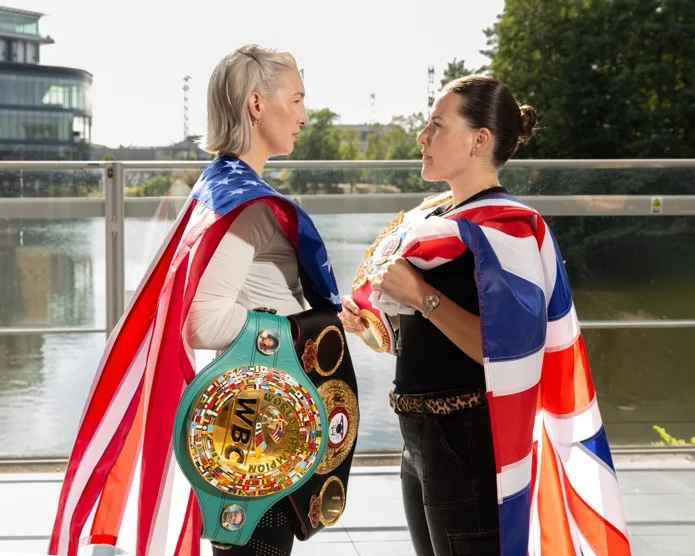
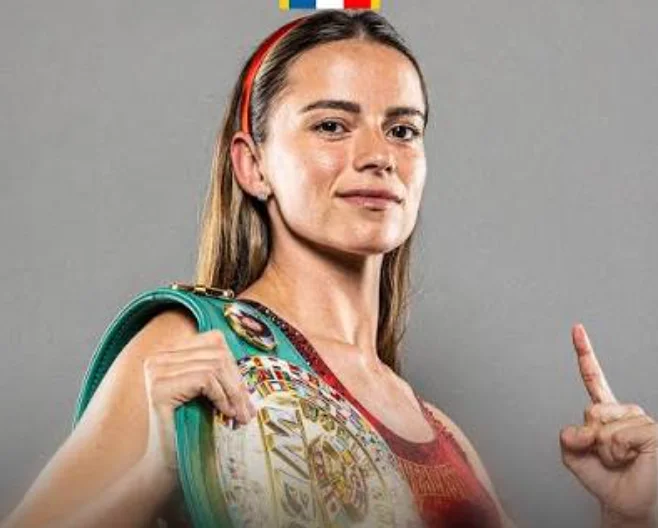
At the center of this new alignment stands Skye Nicolson, whose signing with MVP (while remaining tethered to Matchroom through the alliance) serves as both symbol and substance. A two-division WBC champion and one of the sport’s most marketable figures, Nicolson becomes the first athlete to step into this joint promotional architecture.
Scheduled to defend her title against Miyo Yoshida on August 29 in Birmingham, Nicolson will effectively inaugurate the partnership in the ring.
“Women’s boxing is entering a new era, and I want to be right at the centre of it,” Nicolson said. “This partnership…gives me the opportunity to chase legacy, compete in the biggest fights…and help continue pushing women’s boxing forward.”
Her words echo a sentiment increasingly common among elite female fighters: that the sport, long constrained by fragmented promotion and limited visibility, is now approaching a critical mass of talent, investment, and audience engagement.
Jake Paul, whose transition from disruptor to stakeholder has been one of boxing’s more curious evolutions, framed the alliance in similarly expansive terms. In the official announcement, MVP emphasized a shared commitment to “identify career-defining opportunities…[and] expand the global audience for women’s boxing.”
Although Paul’s rhetoric carries the cadence of modern sports entrepreneurship, it also underscores a broader truth. MVP’s aggressive investment (combined with Matchroom’s institutional experience) has created a rare alignment of resources. Together, the two outfits now control not just a significant share of elite talent, but also the narrative machinery required to elevate it.
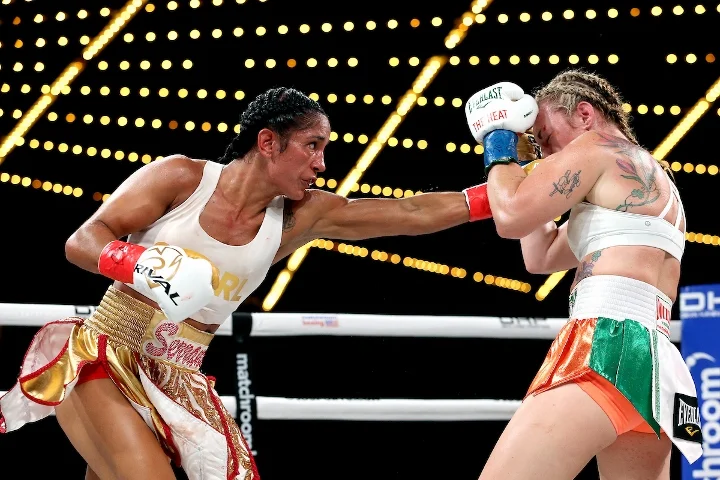
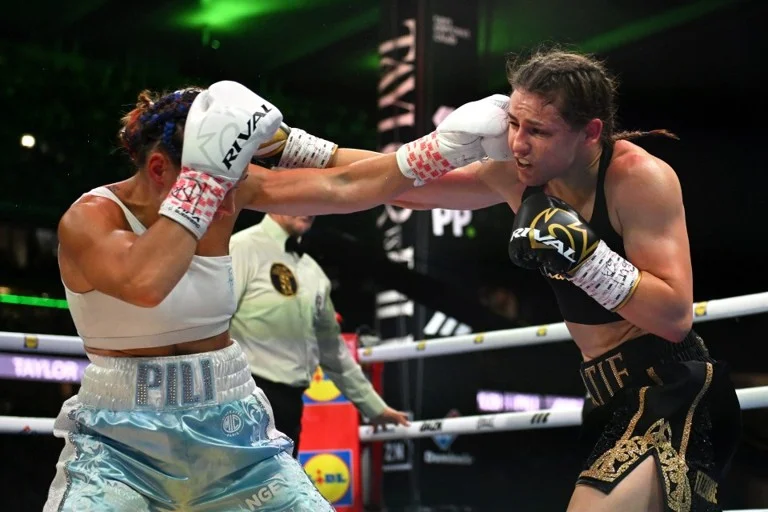
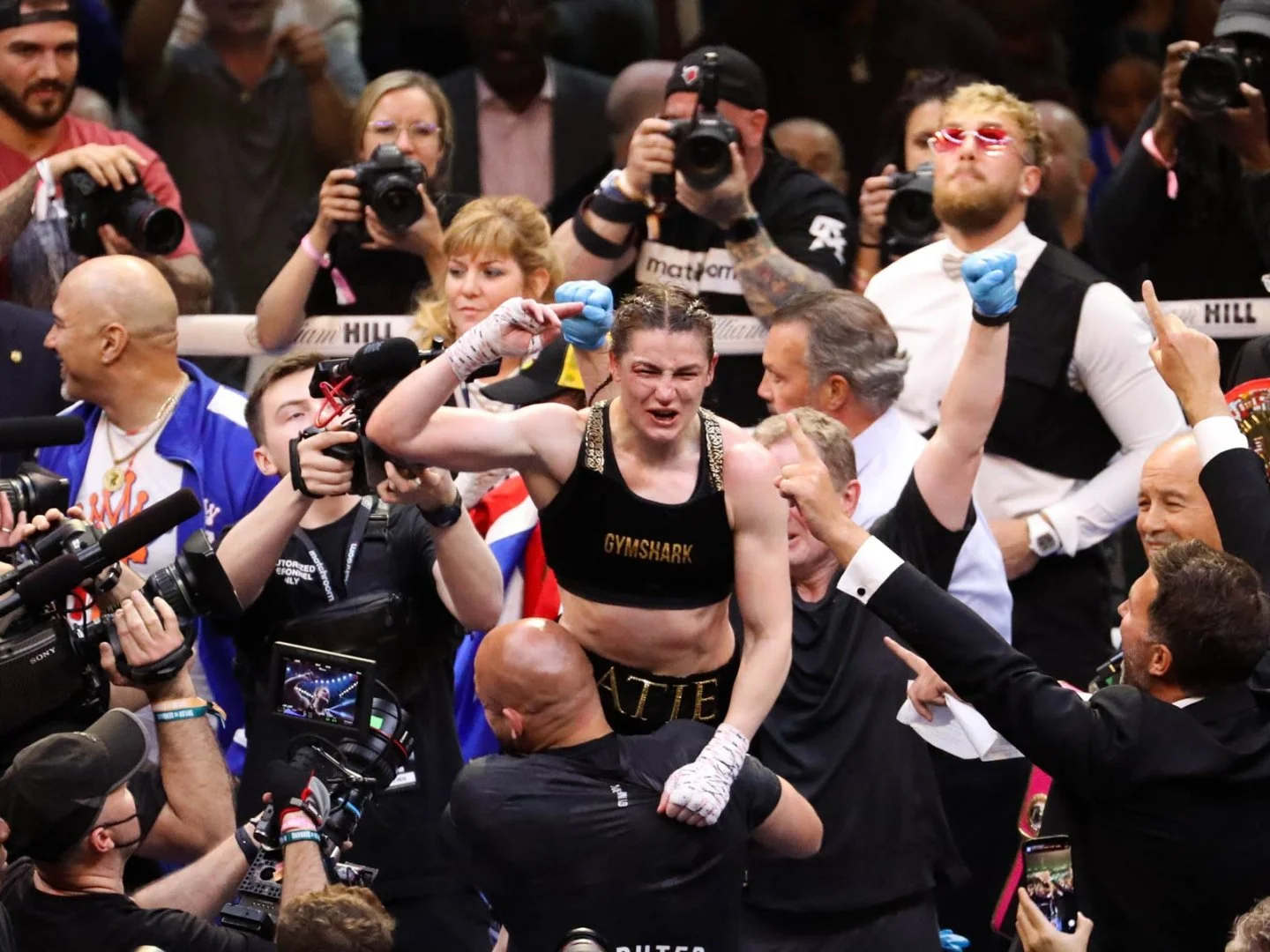
That narrative, crucially, has precedent. The co-promotion of the Katie Taylor vs Amanda Serrano trilogy demonstrated the commercial viability of women’s boxing at the highest level, delivering both critical acclaim and audience reach.
What distinguishes the current alliance is its intent to normalize such events rather than feature them as exceptions. The language of the agreement (“premium events,” “innovative storytelling,” and “increased commercial investment”) suggests a long-term framework rather than a series of one-off collaborations.
The significance of the Matchroom–MVP partnership lies in its potential to stabilize the trajectory of women’s boxing. By consolidating promotional power and aligning incentives, it may finally provide the structural continuity the sport has lacked.
Of course, skepticism remains a necessary companion to optimism. Boxing’s past is littered with alliances that promised transformation only to dissolve under the weight of competing interests. Perhaps the difference here is that both parties are entering the agreement from positions of strength rather than just necessity.
For Hearn, the alliance ensures relevance in a rapidly consolidating market. For Paul and MVP, it offers validation and scale. And for fighters like Nicolson, it presents something more tangible; a pathway to the kind of fights that define careers.
The signing of Nicolson signals the point at which two of the sport’s most influential promotional forces have chosen alignment over rivalry in pursuit of the common goal for the sustained elevation of women’s boxing.