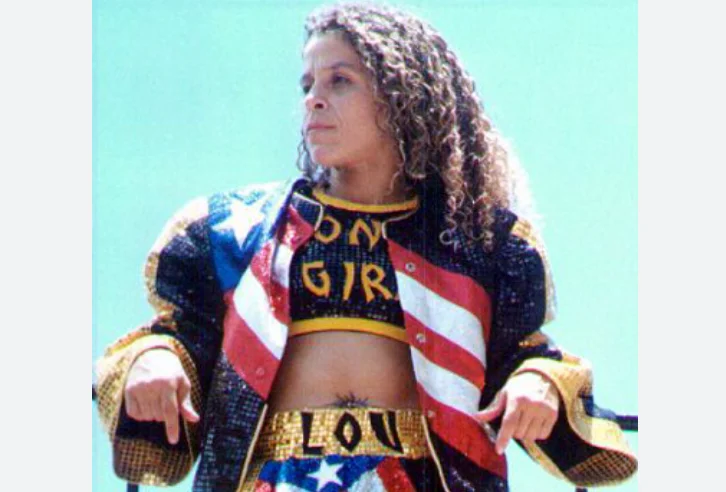
Melissa Del Valle: A pioneering champion who helped carry women’s boxing through its formative years
Before women’s boxing found a consistent place on television, before major promoters regularly invested in female fighters, and before sold-out arenas became part of the conversation, there were pioneers like Melissa Del Valle.
Known to fans as “Honey Girl,” Del Valle was one of the sport’s most respected champions during a period when opportunities for female fighters were limited and recognition was slow to come. Yet through perseverance, skill, and a willingness to face the best available opposition, she carved out a distinguished career that helped lay the foundation for future generations of women boxers.
Born on June 2, 1969, in New York City, Del Valle grew up in a fighting family. Boxing was already part of the household, and her brother, Lou Del Valle, would go on to become a world light heavyweight champion. Together, they became one of boxing’s most accomplished sibling combinations.
Before turning professional, Del Valle established herself as one of the leading female amateurs in the United States. She won multiple New York Golden Gloves titles and captured a national amateur championship at a time when women’s amateur boxing was still fighting for acceptance and visibility.
When she entered the professional ranks in 1997, women’s boxing was experiencing gradual growth but remained far removed from the mainstream. Del Valle quickly made her presence felt.
Fighting early in her career under the name Melissa Salamone, she made her professional debut on September 5, 1997, stopping Marsha Evans in the opening round. The victory marked the beginning of a professional journey that would span more than a decade and include championship success across multiple organizations.
Just one year after turning professional, Del Valle earned her first major title. On September 12, 1998, she defeated Melinda Robinson by unanimous decision to win the WIBF super featherweight championship.
The victory established Del Valle among the elite fighters in women’s boxing and launched a championship run that would become the centerpiece of her career.
One of her most memorable title defenses came against Sweden’s Lena Akesson in August 1999. Knocked down and forced to battle through adversity, Del Valle rallied to win a unanimous decision, displaying the toughness and determination that became hallmarks of her career.
Del Valle built her success on conditioning, ring intelligence, and consistency. Though she scored 12 knockouts during her career, she was equally comfortable winning rounds with disciplined boxing and steady pressure.
As women’s boxing expanded, Del Valle consistently sought out quality opposition. Her résumé includes fights against many of the sport’s leading figures of the era, including Laura Serrano, Ada Velez, Kelsey Jeffries, Mary Jo Sanders, Belinda Laracuente, and Elena Reid.
One of the most discussed fights of her career came in August 2000 when she faced Mexico’s Laura Serrano. The bout ended in a draw after ten rounds, a verdict that generated considerable debate. Many observers felt Serrano had done enough to earn the decision, and Del Valle herself reportedly acknowledged afterward that she believed Serrano deserved the nod. The candid assessment reflected the honesty and sportsmanship for which she became known.
Del Valle continued competing at the championship level throughout the early 2000s, capturing additional titles and remaining a fixture among the sport’s top fighters. During an era when elite female boxers often faced each other repeatedly due to the relatively small talent pool at the top, she never shied away from a challenge.
Del Valle’s professional record ultimately stood at 30 victories, 6 defeats, and 1 draw, with 12 wins by knockout. She consistently competed against quality opposition and remained relevant throughout one of the most important developmental periods in women’s boxing history.
What makes Del Valle’s accomplishments particularly noteworthy is the era in which they occurred. Today’s stars benefit from television contracts, major promotional backing, and increased media attention. Del Valle and many of her contemporaries fought largely without those advantages. They often competed for modest purses and limited exposure, driven primarily by their commitment to the sport.
Yet their efforts helped create opportunities for future champions. The growth of women’s boxing over the last two decades owes much to fighters who persevered when the sport offered few guarantees. Del Valle was one of those fighters.
Recognition eventually followed.
In 2023, she was inducted into the International Women’s Boxing Hall of Fame, a fitting honor for a woman whose career coincided with many of the sport’s formative years. The induction recognized not only her championships and victories but also her contributions to the broader development of women’s boxing.
The sport looks very different today than it did when “Honey Girl” first laced up the gloves. That is, in part, because fighters like Melissa Del Valle helped make it so.

We thank you for your support.
You can find us on facebook: ThePrizefighters.com
And on X: @TPF_ib_tv